Sanmenxia Auto Parts Closed-Die Forging Case, Henan
In the competitive landscape of automotive manufacturing, precision and durability are non-negotiable. This case study highlights how Jianing Forging addressed a critical challenge for a Sanmenxia-based auto parts manufacturer through advanced closed-die forging technology.
Case Overview
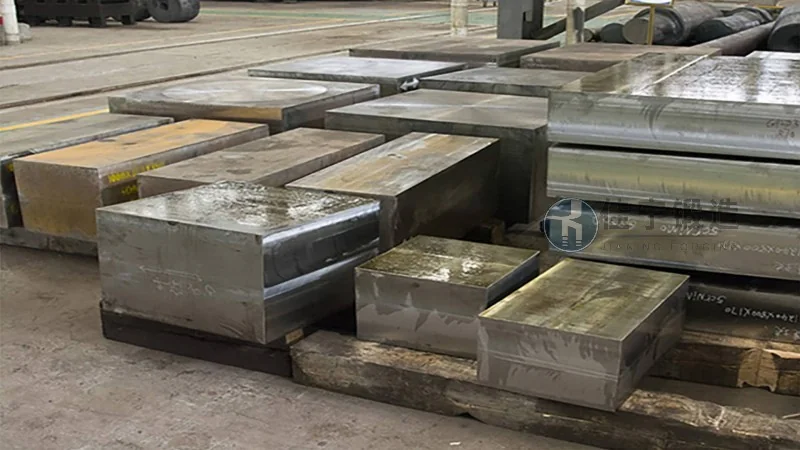
A leading supplier of automotive drivetrain components in Sanmenxia, Henan, faced persistent quality issues with conventionally forged parts. The client required high-strength, lightweight components for a new generation of electric vehicles, but existing processes resulted in inconsistent mechanical properties and excessive material waste.
Client Pain Points
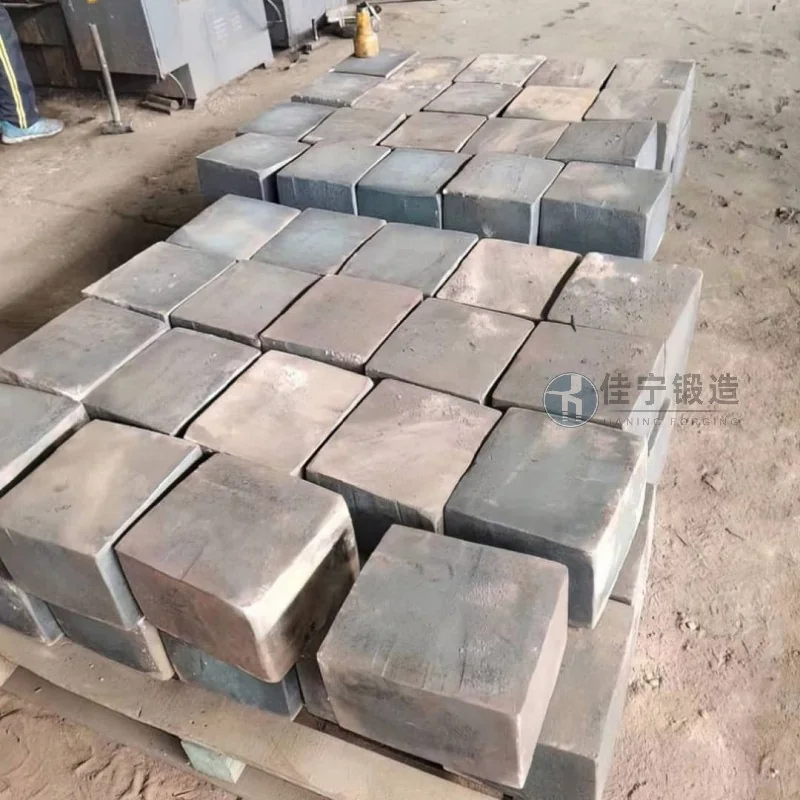
The manufacturer struggled with three core issues: first, traditional open-die forging led to flash losses of up to 30%, driving up material costs. Second, post-forging machining cycles were prolonged due to inadequate dimensional accuracy, causing bottleneck in production. Third, the parts exhibited variable grain flow, compromising fatigue life under high-load conditions. The client urgently needed a solution that could reduce scrap rates, shorten lead times, and deliver repeatable, high-integrity components.
Forging Solutions Provided
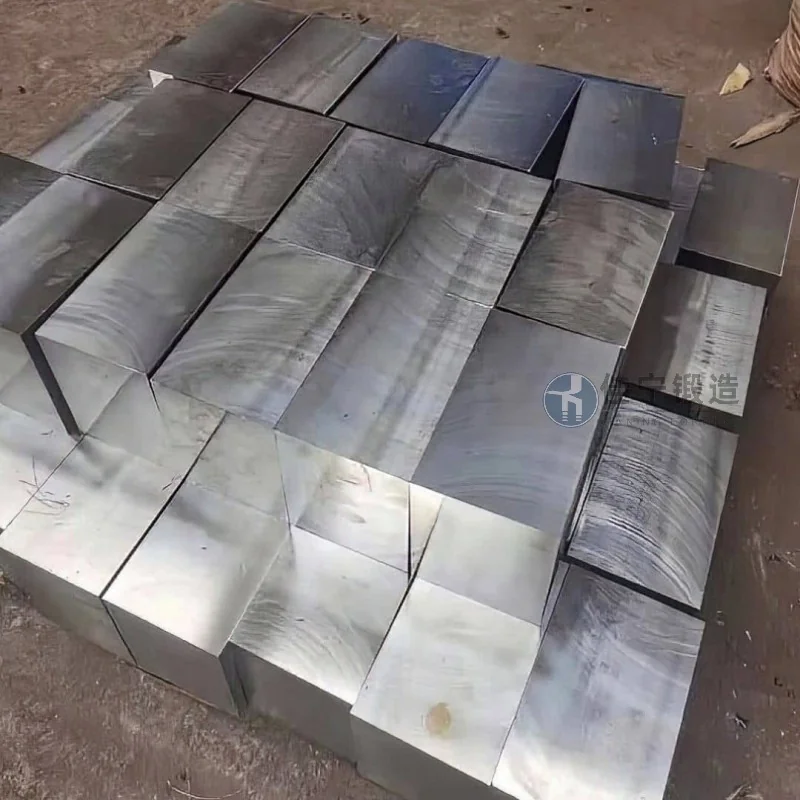
Jianing Forging deployed a tailored closed-die forging process designed to meet the specific geometry and material requirements of the drivetrain parts. By utilizing precision die cavities and controlled preform stages, the flash loss was reduced to under 8%. The near-net-shape approach minimized subsequent machining by over 40%, while optimizing grain flow orientation enhanced tensile strength by 15% compared to previous batches. Comprehensive FEA simulations were performed to validate die designs before production, ensuring consistent results across large volumes. The final components passed all client-specified static and dynamic testing protocols with zero failures.