In the competitive landscape of engineering vehicle manufacturing, the demand for durable and reliable components is paramount. A recent case from Jilin Province highlights how carbon steel forging technology addresses critical challenges in the production of heavy-duty vehicle parts for construction and mining applications. This article examines the specific pain points faced by a regional engineering vehicle manufacturer and the tailored solutions provided through advanced forging processes.
Case Overview
A prominent engineering vehicle manufacturer based in Changchun, Jilin, encountered recurring failures in key structural components—specifically, suspension brackets and axle housings made from conventional cast steel. These parts showed unacceptable rates of fatigue cracking under cyclic loading, leading to frequent downtime and increased maintenance costs. The manufacturer sought a more robust alternative that could withstand extreme operating conditions without compromising weight or cost efficiency.
Client Pain Points
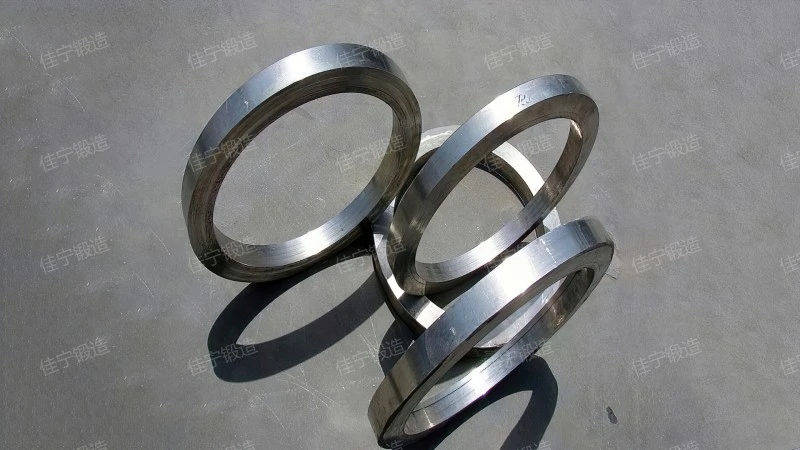
The client faced three primary issues with existing cast steel components: inconsistent material density resulting in weak spots, limited fatigue life under heavy loads (often failing after 80,000–100,000 cycles), and difficulty in achieving precise dimensional tolerances. These problems caused premature field failures, safety concerns, and a 15% higher total cost of ownership due to replacement and repair frequency. Additionally, the manufacturer needed a solution that integrated seamlessly with existing production lines without major retooling.
Product Advantages and Solutions
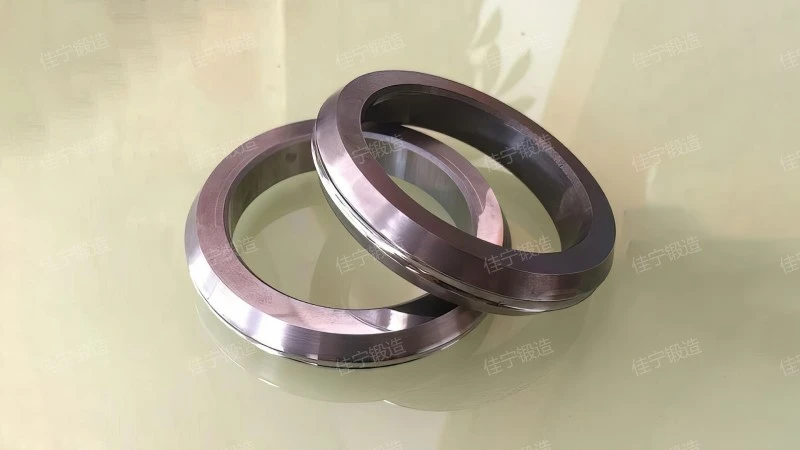
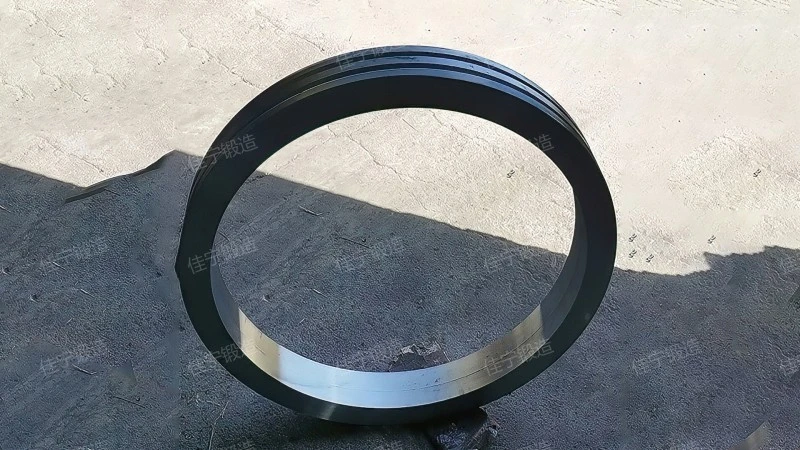
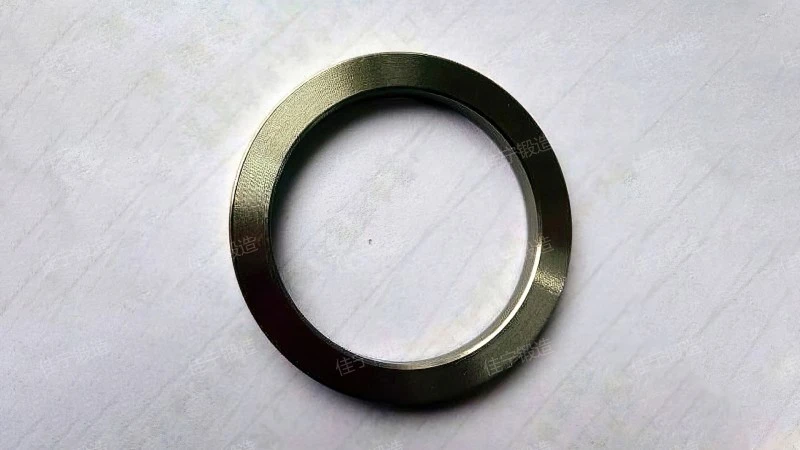
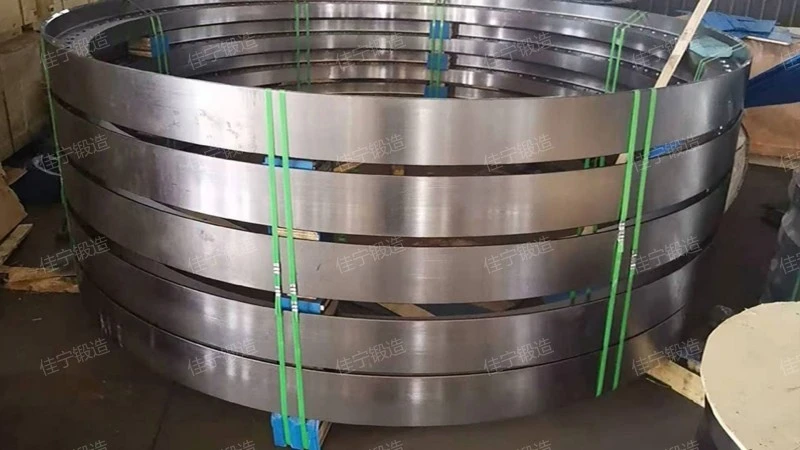
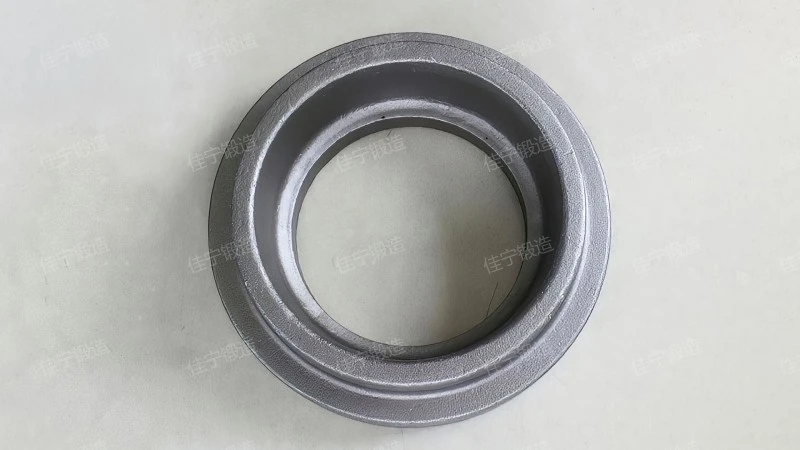
To overcome these challenges, a custom carbon steel forging process was developed. The solution centered on closed-die forging of AISI 1045 medium-carbon steel, followed by controlled normalization and tempering. This approach delivered several measurable benefits: refined grain structure that eliminated internal voids, a 300% improvement in fatigue strength (tested to over 300,000 cycles without failure), and dimensional accuracy within ±0.5 mm. The forged components also exhibited higher impact toughness at low temperatures, critical for Jilin's cold winters. By optimizing the forging sequence and using finite element analysis, the final product weight was reduced by 8% while maintaining strength, yielding direct fuel savings for end users. The manufacturer reported a 40% reduction in warranty claims and a 25% increase in service life for the replaced parts.
Implementation Results
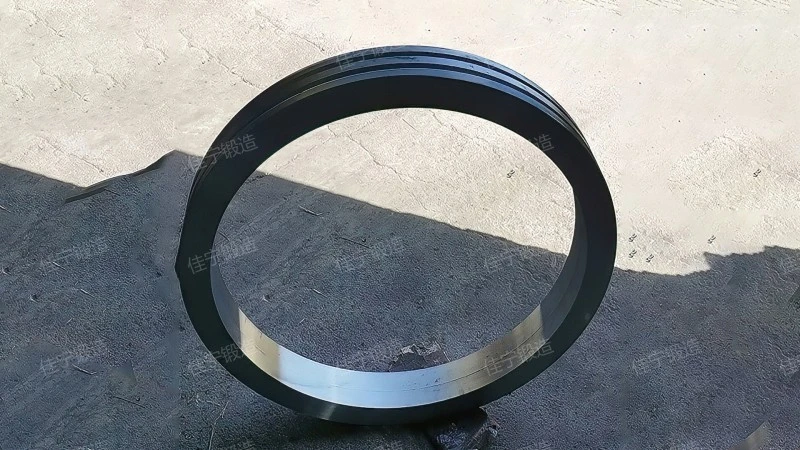
After implementing the forged carbon steel components across three vehicle models, the client achieved consistent quality with a rejection rate below 0.5%. Production cycle time decreased by 12% due to reduced machining requirements, as the forged blanks needed less material removal. The partnership resulted in a customized material specification that has since been adopted as a standard for all new engineering vehicle designs in the region.