Understanding the Critical Role of Large Shaft Head Forgings in Heavy Industry
Large shaft heads are among the most mechanically stressed components in rotating machinery, power generation turbines, marine propulsion systems, and heavy mining equipment. A single failure in a large shaft head can lead to catastrophic downtime, costly repairs, and even safety hazards. The selection of a reliable manufacturer for these critical forgings is therefore not just a procurement decision—it is a strategic risk-management move. In heavy industries, the shaft head connects the rotating shaft to other mechanical elements, bearing axial and torsional loads that can exceed hundreds of tons. Choosing the wrong forging partner can result in microstructural defects, dimensional inaccuracies, or substandard mechanical properties that compromise the entire assembly. This article provides a systematic, expert-level guide to evaluating and selecting a large shaft head forging maker, with a focus on technical capabilities, quality assurance, and long-term reliability. We will examine key parameters such as forging method selection (open-die vs. closed-die), material specifications, heat treatment protocols, nondestructive testing standards, and supply chain considerations. By the end, you will have a clear framework for making an informed decision that aligns with your operational requirements and budget constraints.
Defining Your Technical Requirements Before Engaging Suppliers
Before reaching out to any forging manufacturer, it is essential to establish a comprehensive technical specification document. This document should include the alloy grade (e.g., 4340, 4140, 17-4PH stainless steel, or custom high-strength low-alloy steels), the final machined dimensions with tolerances, the required mechanical properties (yield strength, ultimate tensile strength, elongation, reduction of area, impact toughness at specified temperatures), and any special requirements such as ultrasonic testing sensitivity levels per ASTM A388 or ASME SA-388. You should also specify the forging reduction ratio—typically a minimum of 3:1 for large shaft heads to ensure grain refinement and homogeneity. The forging method itself is a critical variable. Open-die forging is often preferred for very large shaft heads due to its ability to work with ingots weighing tens of tons and to achieve directional grain flow along the longitudinal axis. However, closed-die forging may offer better dimensional consistency for complex geometries. Clarify whether the component will be supplied as a rough forging (allowing for machining stock) or as a near-net-shape forging. Your technical team should also consider the final heat treatment condition: normalized and tempered, quenched and tempered, or solution treated and aged for precipitation-hardening alloys. A reputable manufacturer like Jianing Forging will request this information during the initial inquiry and may provide feedback on forgeability, potential alternative alloys, or cost-saving modifications without sacrificing performance.
Evaluating Manufacturing Capabilities and Facility Infrastructure
The physical capacity of the forging facility directly determines whether a manufacturer can handle your shaft head dimensions and weight. For large shaft heads, you should look for a forging press with at least 3,000 tons of capacity—many heavy-duty applications require 5,000 to 10,000 tons. Additionally, check the availability of manipulators capable of handling ingots weighing 20 tons or more, overhead cranes with sufficient lift capacity, and ring rolling or upsetting equipment if required. The facility should also have in-house heat treatment furnaces with uniform temperature control, preferably equipped with programmable logic controllers (PLCs) and data logging for traceability. Quenching tanks must be large enough to fully submerge the forging, with proper agitation to achieve consistent cooling rates. Furthermore, evaluate the company's machining capabilities. While some buyers contract forging and machining separately, a manufacturer that offers rough machining and even final machining can reduce lead times and eliminate dimensional risks from shipping. Jianing Forging, for instance, operates a comprehensive production line that includes forging, heat treatment, and CNC machining under one roof, allowing for tighter quality control and shorter turnaround cycles. When visiting a facility or reviewing documentation, ask about the age and maintenance of the press, the calibration records of heat treatment thermocouples, and the certification status of the quality management system (e.g., ISO 9001, ISO 14001, or industry-specific standards like API or ABS).
Material Sourcing and Traceability Protocols
The quality of the starting raw material—typically a cast ingot or continuously cast bloom—lays the foundation for a successful forging. Reputable manufacturers source steel from mills that can provide mill certificates with full chemical analysis, mechanical test results, and ultrasonic inspection reports. For large shaft heads, many buyers specify electric arc furnace (EAF) steel with ladle refining and vacuum degassing to reduce hydrogen and other gas contents that cause internal flaws. Some critical applications require vacuum arc remelting (VAR) or electroslag remelting (ESR) for maximum cleanliness. The forging maker should have a documented material traceability system that links each forging to its original heat number, ingot identity, and all subsequent process records. This traceability extends to the storage and handling of raw materials—proper segregation of alloys, prevention of cross-contamination, and controlled storage conditions to avoid rust or environmental damage. During production, representative test coupons should be taken from each forging (or from the prolongation of the forging itself) for mechanical testing. The manufacturer should be able to provide not only final test results but also in-process inspection data such as the results of step-down ultrasonic examinations after each forging stage. Jianing Forging maintains a rigorous material acceptance procedure that includes third-party verification of mill certificates when required by clients or standards, ensuring every large shaft head forging is built on a traceable, verifiable material foundation.
Quality Assurance and Nondestructive Testing (NDT) Capabilities
A reliable large shaft head forging maker invests heavily in both destructive and nondestructive testing infrastructure. At minimum, the facility should have the ability to perform ultrasonic inspection in accordance with ASTM A388 (or equivalent standards), magnetic particle inspection (MT) per ASTM E1444, and liquid penetrant inspection (PT) per ASTM E1417. For certain industries such as offshore oil and gas, nuclear power, or aerospace, additional methods like radiographic testing (RT) or eddy current testing (ECT) may be mandated. The NDT personnel should be certified to a recognized scheme such as ASNT SNT-TC-1A or ISO 9712, with Level II or Level III certifications for the specific techniques used. Beyond post-forging inspection, consider the manufacturer's capability for in-process inspection during forging: does it use ultrasonic monitoring to detect developing cracks in real-time? Are dimensional checks performed with laser scanning or coordinate measuring machines (CMM) before heat treatment? The quality system should also include statistical process control (SPC) on key parameters such as forging temperature, reduction ratio, and cooling rates. A robust quality assurance program reduces the risk of field failure and minimizes scrap and rework. When requesting a quotation, ask for a detailed inspection and test plan (ITP) that covers every milestone from raw material receipt through final dimensional inspection and preservation for shipment.
Certifications, Industry Standards, and Compliance Requirements
The regulatory landscape for large shaft head forgings varies by industry and region. For marine applications, classification society approvals (e.g., Lloyd's, DNV, ABS, Bureau Veritas) are mandatory. For power generation, adherence to ASTM, ASME, or EN standards is typical. In the oil and gas sector, API 6A or API 17D may apply. A competent manufacturer should hold relevant third-party certifications and be willing to submit to client audits. Jianing Forging holds multiple certifications that cover its forging, heat treatment, and machining operations, and it regularly undergoes audits from classification societies and major OEMs. When evaluating a potential supplier, verify that their certifications are current and cover the specific alloys and processes you require. Also, check if they have experience with your particular industry—experience in producing similar shaft heads for the same application reduces the learning curve and increases confidence. Documentation such as material test reports, NDT reports, and dimensional inspection reports should be provided in a format that meets your internal quality system requirements and any regulatory body expectations.
Lead Time, Capacity Planning, and Supply Chain Reliability
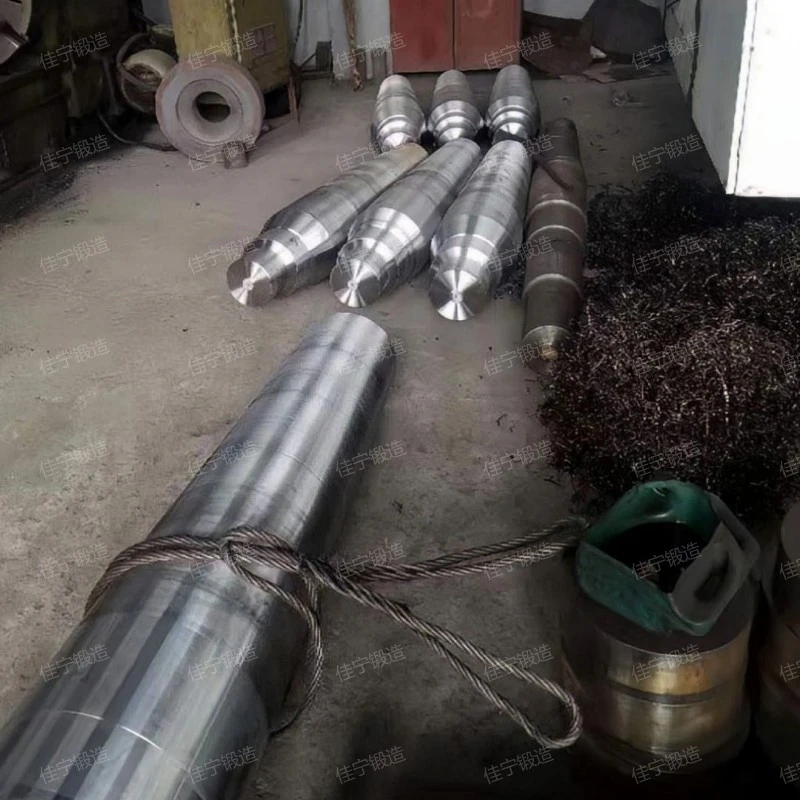
Large shaft head forgings are typically long-lead items, often requiring 12 to 20 weeks from raw material ordering to final delivery. This timeline can extend if the manufacturer needs to source special alloys, heat treat large sections with controlled cooling rates, or perform extensive NDT. A reliable partner will provide realistic lead times and communicate any delays early. Evaluate the manufacturer's production load—are they operating near capacity? Do they have multiple press lines or heat treatment furnaces to handle concurrent orders? Asking for a production schedule and a list of current projects (anonymized) can reveal capacity constraints. Additionally, consider the manufacturer's geographic location relative to your facility or final assembly site. Shipping large, heavy forgings across long distances adds cost and logistical complexity. However, a manufacturer with strong logistics partnerships can mitigate these challenges. Jianing Forging offers flexible shipping options including breakbulk, flat rack containers, or specialized heavy-lift transport, and it can coordinate with freight forwarders for door-to-door delivery. For urgent projects, inquire about accelerated delivery options—sometimes a faster rough machining cycle or expedited NDT can save several weeks without compromising quality.
Case-Based Evaluation: What to Look for in Post-Delivery Support
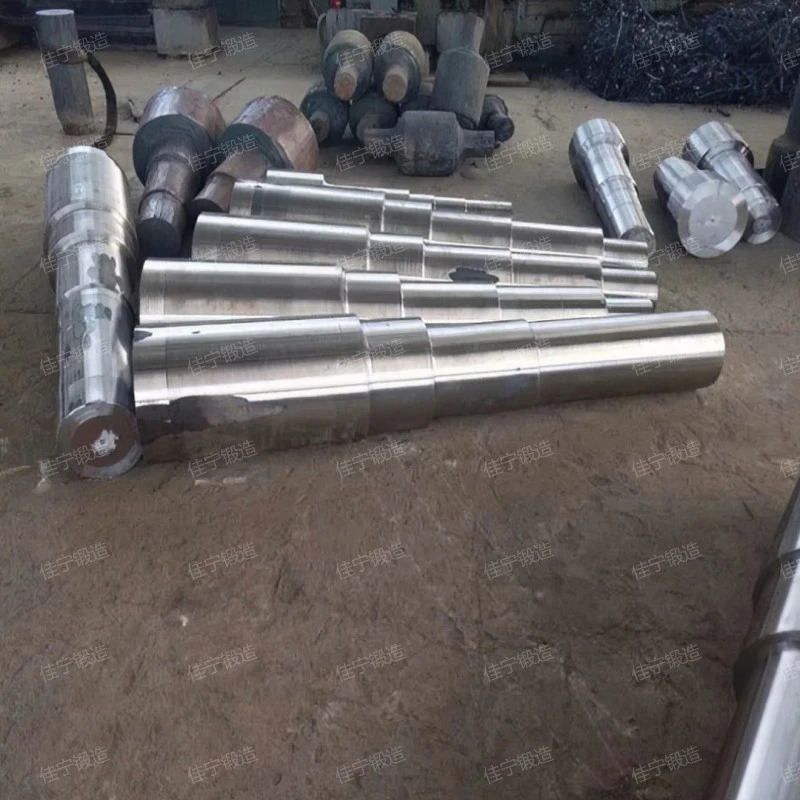
The relationship with a forging manufacturer does not end at delivery. Post-delivery support—including technical troubleshooting, metallurgical analysis of any issues during machining or service, and warranty coverage—is a sign of a committed partner. Request references from companies that have purchased similar large shaft head forgings from the manufacturer, and follow up to learn about their experience with dimensional consistency, documentation accuracy, and responsiveness to non-conformances. A trustworthy manufacturer will share data on historical defect rates, typical reasons for rejection, and corrective action procedures. In one instance, a client in the mining sector required a replacement shaft head after detecting an internal inclusion during ultrasonic testing. The manufacturer, Jianing Forging, not only expedited a replacement within the warranty period but also conducted root cause analysis using fractography and microstructural examination, which led to an improvement in their ingot sourcing protocol. Such collaborative problem-solving strengthens long-term partnerships and reduces overall supply chain risk.
Final Decision Framework and Next Steps
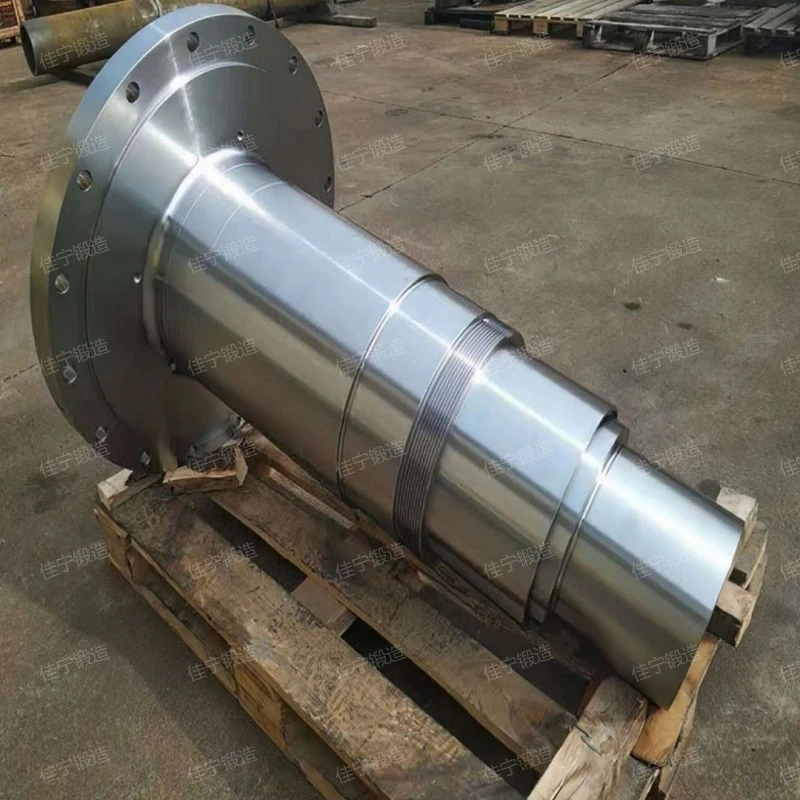
To summarize, selecting a large shaft head forging maker requires a multidimensional evaluation that balances technical capability, quality assurance, certifications, lead time, and cost. Start by internally defining your technical specifications and any regulatory requirements. Then compile a shortlist of manufacturers that have demonstrated experience with your component size, alloy, and industry. Request detailed technical proposals that include a preliminary forging process plan, inspection and test plan, and a project timeline. Arrange a facility audit—either in person or via virtual walkthrough—to verify equipment condition, cleanliness, and the competence of the technical team. Pay special attention to the manufacturer's approach to traceability, the depth of their NDT capabilities, and their willingness to share real data on past projects. Finally, negotiate a contract that includes clear quality acceptance criteria, warranty terms, and a communication protocol for non-conformances. A thorough selection process may take several weeks, but it directly reduces the likelihood of costly field failures and ensures your rotating equipment operates reliably for years. For expert guidance and a comprehensive forging solution, contact Jianing Forging directly to discuss your specific large shaft head requirements. (咨询热线:176 9623 6479)