Selecting the right trunnion forging manufacturer is a critical decision that directly impacts the performance, safety, and longevity of industrial valves, heavy machinery, and fluid control systems. Trunnion components are often subjected to extreme pressures, high temperatures, and cyclic loading, making the quality of the forging process non-negotiable. As global demand for reliable trunnion ball valves continues to rise—driven by the expansion of oil and gas pipelines, petrochemical plants, and power generation infrastructure—the need for a capable and experienced forging partner becomes increasingly urgent. In 2026, the industry is seeing a shift toward higher-strength alloys, tighter dimensional tolerances, and stricter non-destructive testing standards. Choosing a manufacturer that can consistently meet these evolving requirements while maintaining cost efficiency is a complex task. This guide provides a structured approach to evaluating potential suppliers, helping you make an informed decision that aligns with your operational needs and quality expectations. From production capabilities and material certifications to quality assurance and delivery reliability, each factor plays a role in determining whether a manufacturer can deliver trunnion forgings that meet international codes such as ASME, API, and ISO.
Understanding Trunnion Forging Basics and Application Requirements
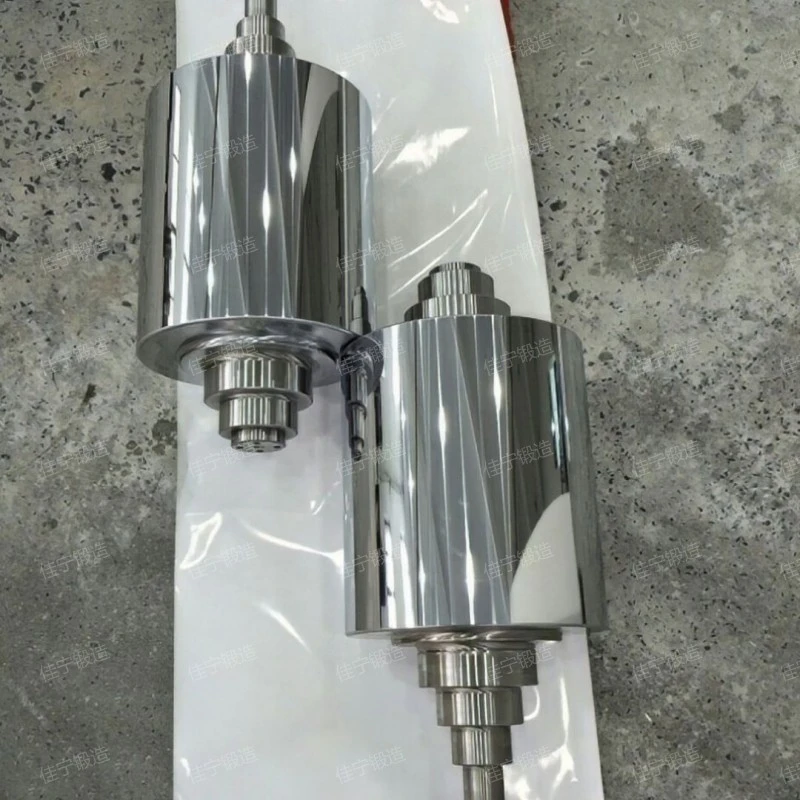
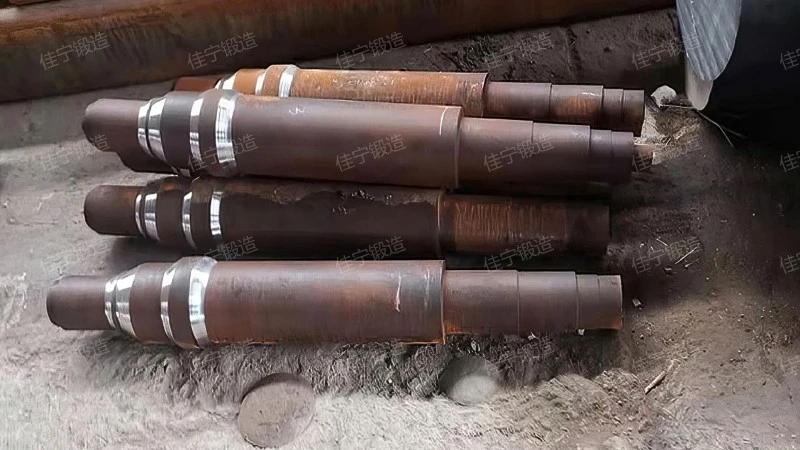
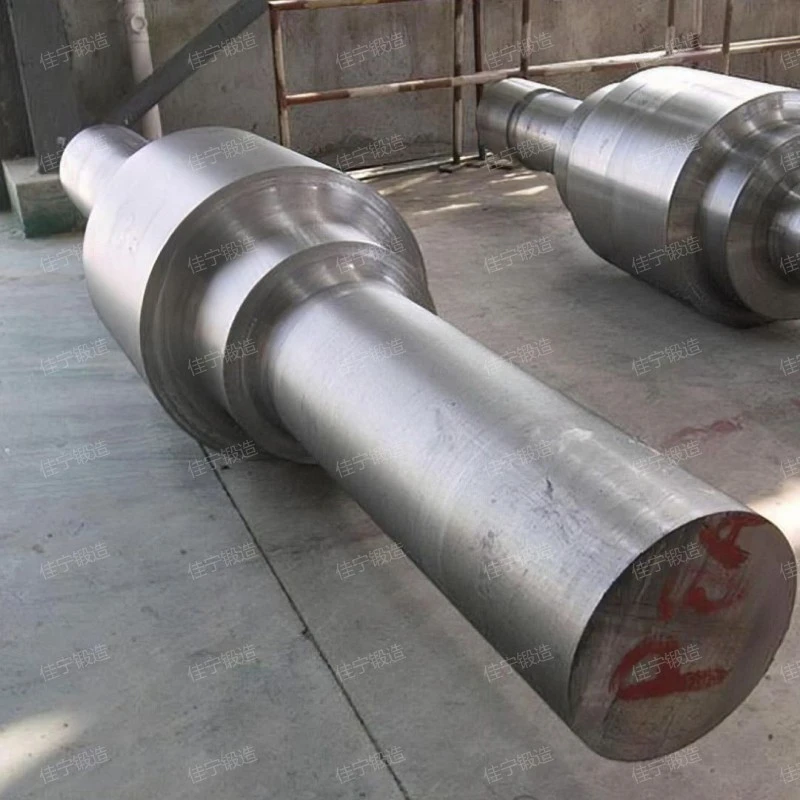
Trunnion forgings are typically used as shaft-like components that support rotating or pivoting assemblies, most commonly found in trunnion-mounted ball valves. These components must withstand high radial and axial loads without deformation or fatigue failure. The forging process—whether open-die, closed-die, or ring rolling—enhances the grain structure of the metal, improving its mechanical properties compared to cast or machined alternatives. When selecting a manufacturer, it is essential to first define your application parameters: operating pressure, temperature range, media type (corrosive, abrasive, or clean), and required service life. For high-stress environments such as subsea oil and gas, the trunnion forging must exhibit excellent toughness, resistance to hydrogen-induced cracking, and consistent microstructure. A reputable manufacturer will offer guidance on material selection, typically recommending carbon steel, low-alloy steel, stainless steel, or nickel-based alloys depending on the service conditions. Jianing Forging, for example, has extensive experience producing trunnion forgings for API 6D and ASME B16.34 compliant valves, with material certificates traceable to mill sources.
Key Manufacturing Capabilities to Evaluate
Not all forging shops possess the equipment and expertise required for complex trunnion geometries. A thorough evaluation of the manufacturer's production capacity is the first step. Critical factors include:
- Press tonnage and forging range: Larger trunnion components require hydraulic presses with sufficient capacity (e.g., 2000 tons to 8000 tons) to ensure proper material deformation and grain refinement.
- Heat treatment facilities: Normalizing, quenching, and tempering must be precisely controlled. Look for manufacturers with programmable furnaces and uniform heating capabilities.
- Machining and finishing: Many clients require near-net-shape forgings to reduce downstream machining costs. In-house CNC turning, boring, and grinding capabilities are a major advantage.
- Non-destructive testing (NDT): Ultrasonic testing, magnetic particle inspection, and dye penetrant examination should be standard. Advanced manufacturers also offer phased array UT and computed tomography for critical applications.
The ability to handle large, heavy forgings (up to several tons) with tight concentricity and surface finish is a strong indicator of technical maturity. Jianing Forging utilizes a 4000-ton hydraulic press and automated heat treatment lines, enabling consistent production of trunnion forgings weighing from 50 kg to over 5000 kg. Their machining center is equipped with five-axis CNC lathes capable of achieving tolerances within ±0.1 mm.
Quality Certifications and Compliance with International Standards
A credible trunnion forging manufacturer must hold relevant quality management certifications. In 2026, the most recognized standards include ISO 9001:2015, ASME BPVC Section II, API Q1, and PED 2014/68/EU for European markets. For oil and gas applications, API 6A and API 6D certification is often mandatory. Additionally, material test reports (MTRs) should be provided for each heat, showing chemical composition and mechanical properties. The manufacturer should also demonstrate compliance with NACE MR0175/ISO 15156 for sour service environments. Beyond certification, ask about their third-party audit history and whether they have been approved by major end users such as Shell, TotalEnergies, or Saudi Aramco. Such approvals indicate a proven track record. Jianing Forging holds API Q1 and ISO 9001 certifications, and their trunnion forgings have been used in projects for major valve OEMs worldwide. (咨询热线:176 9623 6479)
Material Sourcing and Traceability Protocols
Raw material quality directly determines the performance of the final forging. A responsible manufacturer sources steel from reputable mills that provide certified ladle analysis and mechanical test data. Traceability must be maintained from the ingot to the finished product. Ask whether the manufacturer performs incoming material inspection, including dimensional checks, surface defect detection, and verification of heat numbers. For alloy steels, the manufacturer should follow strict procedures for hydrogen removal through vacuum degassing and controlled cooling. In 2026, the industry is increasingly adopting digital traceability systems using QR codes or blockchain records to ensure full transparency. When evaluating a supplier, request examples of their traceability documentation and verify that each forging can be traced back to its heat lot and process parameters.
Engineering Support and Customization Flexibility
Standard trunnion forging designs may not always fit unique valve geometries or load conditions. A strong manufacturer offers collaborative engineering support to optimize the forging design for improved material yield, reduced machining allowance, and better mechanical properties. This includes finite element analysis (FEA) to predict stress distribution and identify potential forging defects before production. Customization capabilities such as adding integral flanges, keyways, or special contours can save both time and material. Evaluate whether the manufacturer has an in-house engineering team with experience in forging simulation software like DEFORM or Simufact. Additionally, check their response time for technical queries and design changes. Jianing Forging maintains a dedicated engineering department that works directly with clients to develop custom trunnion forging solutions, including complex multi-step forming sequences for non-standard alloys.
Production Lead Times and Supply Chain Reliability
In a global market where project schedules are often tight, delivery reliability is as important as product quality. Examine the manufacturer's average lead time for new tooling and production. For trunnion forgings, lead times can range from 6 to 16 weeks depending on complexity, material availability, and heat treatment cycles. Ask about their inventory of common steel grades and whether they maintain buffer stock for critical sizes. A reliable manufacturer will provide a clear production schedule and regular status updates. In 2026, many top-tier forging companies have adopted lean manufacturing principles and ERP systems to optimize workflow. Check their on-time delivery record and ask for references from clients in your industry. Jianing Forging operates a streamlined production planning system that typically achieves on-time delivery rates above 95% for standard trunnion forgings, with expedited options available for urgent orders.
Cost Structure and Value Beyond Price
While unit price is a consideration, the lowest quote rarely delivers the lowest total cost of ownership. Evaluate the manufacturer's pricing model including tooling charges, minimum order quantities, and any surcharges for special testing or certification. A more experienced manufacturer may have higher initial costs but offer lower rejection rates, reduced secondary machining, and longer service life. Request a comprehensive quote that breaks down material costs, forging and heat treatment, NDT, machining (if included), and packaging. Also consider the value of technical support, warranty terms, and post-sale service. Some manufacturers offer free storage or phased delivery to align with your project milestones. Jianing Forging provides transparent pricing with no hidden fees, and their engineering team often suggests design modifications that reduce overall project costs while maintaining performance.
After-Sales Support and Long-Term Partnership Potential
A trunnion forging is often part of a long lifecycle asset. The manufacturer's willingness to support after delivery—such as providing replacement parts, assisting with failure analysis, or offering re-certification services—indicates a commitment to partnership. Inquire about their global logistics capabilities and whether they can handle customs documentation for cross-border shipments. A manufacturer with a local agent or warehouse in your region can expedite urgent needs. Furthermore, assess their investment in research and development. Companies that continuously improve their processes, such as adopting automation or advanced simulation, are more likely to deliver consistent quality over time. Jianing Forging actively participates in industry conferences and invests in new forging technologies, ensuring their capabilities evolve with market demands.
Conclusion: Making the Final Selection
Choosing a trunnion forging manufacturer is not a transaction but a strategic partnership that affects your product reliability and brand reputation. By systematically evaluating production capabilities, certifications, material traceability, engineering support, delivery performance, cost transparency, and after-sales service, you can identify a supplier that meets both immediate project needs and long-term operational goals. As the industry moves toward higher performance standards in 2026, working with a manufacturer that demonstrates continuous improvement and technical depth becomes even more critical. Jianing Forging has built a reputation for delivering trunnion forgings that combine precision, durability, and compliance, serving leading valve manufacturers across the oil and gas, petrochemical, and power generation sectors. Whether your requirement involves standard catalog items or fully customized solutions, a thorough vetting process guided by the criteria above will help you make a confident decision that minimizes risk and maximizes value for years to come.