Selecting a reliable marine shaft forging supplier is a critical decision that directly impacts the operational safety, longevity, and efficiency of a vessel's propulsion system. Marine shaft forgings, including intermediate shafts, propeller shafts, and stern tubes, must withstand immense torsional and bending loads, corrosive seawater environments, and continuous fatigue cycles over decades of service. A substandard forging can lead to catastrophic failures, costly dry-docking repairs, and even endanger crew and cargo. As the global shipbuilding industry navigates through 2026, with an estimated annual market value of marine forgings exceeding USD 4.8 billion and a compound annual growth rate of 5.2%, the demand for high-integrity components has never been greater. Shipowners, naval architects, and procurement managers must thoroughly evaluate potential suppliers against rigorous technical, quality, and logistical criteria. This article provides a comprehensive, expert-level framework to help you identify a forging partner that meets international classification society standards, delivers consistent metallurgical properties, and offers long-term reliability. We will explore key selection parameters such as material traceability, heat treatment capabilities, non-destructive testing protocols, and aftermarket support, while integrating practical insights from industry best practices. Whether you are outfitting a newbuild or replacing a worn shaft, understanding these fundamentals will guide you toward a supplier that aligns with your specific marine engineering requirements.
Understanding Marine Shaft Forging Requirements and Industry Standards
Before engaging potential suppliers, it is essential to establish a thorough understanding of the technical specifications that marine shaft forgings must meet. Classification societies such as Lloyd's Register, DNV, ABS, Bureau Veritas, and CCS have published stringent rules covering material chemistry, mechanical properties, and inspection procedures. For example, typical marine shaft steels (e.g., 34CrNiMo6, 42CrMo4) require a tensile strength range of 600–800 MPa, a minimum yield strength of 450 MPa, and Charpy V-notch impact energy above 40 J at -20°C. The forging process itself must achieve a forging ratio of at least 3:1 to ensure grain refinement and eliminate internal voids. A qualified supplier will maintain up-to-date certifications from multiple classification societies, demonstrate traceability from steelmaking through final machining, and provide a detailed material test certificate for each forged piece. Ask potential partners whether they conduct ultrasonic testing (UT) in accordance with ASTM A388 or EN 10228-3, magnetic particle inspection (MTI), and dimensional verification using coordinate measuring machines. The ability to comply with these standards is non-negotiable; any deviation can result in rejection during class survey or premature failure in service.
Evaluating Supplier Manufacturing Capabilities and Process Control
A supplier’s manufacturing infrastructure directly determines the consistency and quality of marine shaft forgings. Start by assessing their forging press capacity: for large marine shafts (e.g., 15 meters long, 800 mm diameter), a hydraulic press with at least 3000 tons of force is typically required to achieve adequate metal flow. Open-die forging remains the industry standard for marine shafts, as it produces a favorable longitudinal grain flow that enhances fatigue resistance. Inquire about the supplier's ingot sourcing: premium steel from vacuum degassed, argon-stirred ladle furnaces minimizes hydrogen content and non-metallic inclusions. Heat treatment capabilities are equally important: the supplier should offer normalizing, quenching (in water or polymer), and tempering furnaces with precise temperature control (±10°C) and recording systems. Case-hardening processes such as induction hardening or nitriding may be required for bearing journal areas to achieve surface hardness of 55-60 HRC. A robust quality management system, preferably ISO 9001:2025 certified and with IATF 16949 for marine applications, indicates systematic process control. Visit the facility if possible, or request a virtual tour to observe how ingots are heated, forged, and thermally treated. Jianing Forging, for instance, operates a dedicated marine forging line with 4000-ton and 6000-ton presses, coupled with advanced dilatometry and simulation software to predict grain structure and residual stress distribution. Such capabilities ensure that each shaft conforms to the strictest class requirements. (咨询热线:176 9623 6479)
Material Traceability and Quality Assurance Protocols
In marine applications, traceability is not just a paperwork exercise—it is a legal and safety imperative. Every marine shaft forging must be traceable from the source melt to the final machined product. A competent supplier will assign a unique heat number and serial number to each forging, and maintain records of chemical analysis (including sulfur, phosphorus, nitrogen, and residual elements), mechanical test results, and non-destructive examination reports. Look for suppliers that utilize digital tracking systems integrated with ERP and LIMS (Laboratory Information Management System). They should provide a comprehensive Inspection and Test Plan (ITP) that outlines each stage of quality control, including hold points for customer or surveyor inspection. For critical applications, request a witness test during mechanical property evaluation (tensile, impact, hardness traverse) and macro-etch inspection to verify homogeneity. Additionally, verify that the supplier conducts failure mode and effects analysis (FMEA) for each forging project. Reliable partners will have a dedicated quality assurance team with NDT Level III certified technicians. In 2026, industry trends indicate a growing preference for digital twins and AI-assisted anomaly detection in forging processes—suppliers investing in these technologies offer an added layer of confidence.
Lead Times, Supply Chain Resilience, and Logistics Considerations
Marine shaft forging projects often operate on tight schedules tied to vessel delivery dates or planned maintenance windows. A supplier’s ability to deliver on time without compromising quality is a key differentiator. Evaluate their raw material inventory—do they stock common steel grades or must they source each order from mills? A supplier with a strategic stock of ingots or blooms can reduce lead times by 4–8 weeks. Also examine their machining capacity: marine shafts often require rough turning, heat treatment, straightening, and final precision grinding. Vertical lathes, long-bed turning centers (up to 20 meters), and dynamic balancing machines are essential. Ask about their handling of post-forging straightening, as residual stress can cause deflection during machining. For global shipyards, consider the supplier's export experience: familiarity with INCOTERMS 2026, proper packing for ocean freight (e.g., VCI wrapping, wooden crates treated per ISPM 15), and documentation for customs clearance. A reliable supplier will provide a realistic project timeline with buffer periods and regular progress reports. In a volatile global supply chain, diversifying suppliers or securing long-term agreements with a proven partner like Jianing Forging can mitigate risks of delays due to raw material shortages or shipping disruptions.
Customization, Engineering Support, and After-Sales Service
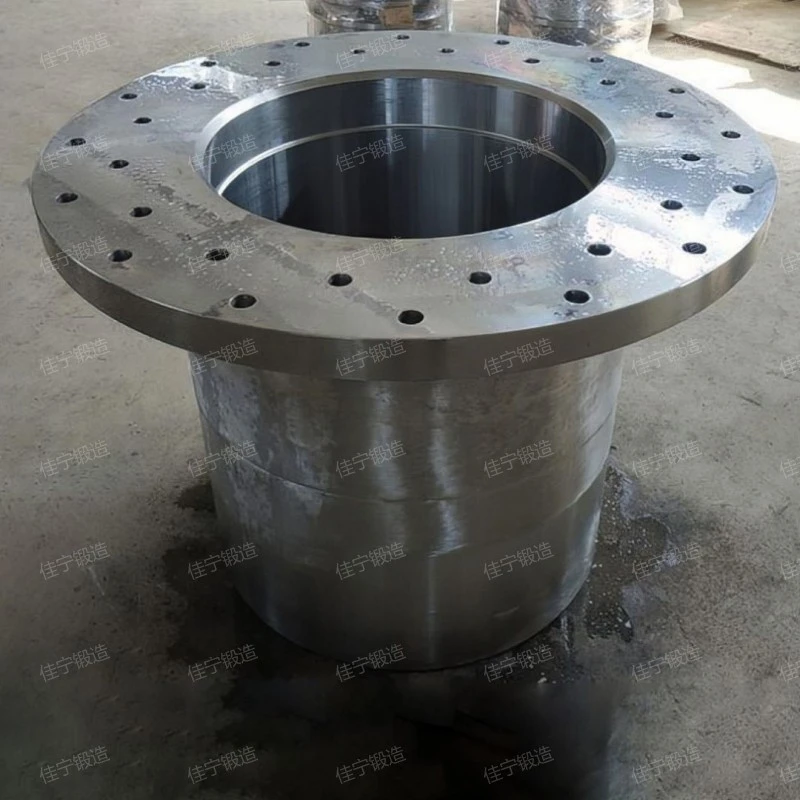
No two marine shaft installations are identical. The ideal supplier offers engineering support to adapt standard forgings to unique design parameters—such as keyway configurations, flange bolt patterns, or special bore dimensions. They should be able to perform finite element analysis (FEA) to validate shaft stress distribution under full-load and transient conditions. Additionally, the supplier should provide guidance on surface roughness tolerances (typically Ra 0.8 µm for seal areas), concentricity allowances (IT6 or better), and counterbore depths. After-sales service is equally important: does the supplier offer on-site measurement during installation? Do they provide repair and refurbishment services for existing shafts? A supplier with a global service network can respond to emergency breakdowns within 48 hours. Furthermore, ask about their warranty terms—industry standard is typically 12–24 months from commissioning, covering material defects and workmanship. Jianing Forging provides complete technical documentation, including 3D models, stress analysis reports, and installation manuals, as well as a dedicated project manager to coordinate with classification surveyors. This level of support reduces the total cost of ownership and ensures smooth commissioning.
Cost Analysis and Total Value Proposition
While upfront price is a factor, the total cost of ownership (TCO) of a marine shaft forging includes initial purchase, installation, maintenance, and potential downtime. Cheaper forgings may use lower-grade steel, inadequate inspection, or shorter heat treatment cycles, leading to higher rejection rates or premature failure. A pragmatic approach is to request a detailed quotation that breaks down material cost, forging cost, heat treatment, machining, testing, and logistics. Compare quotes from at least three qualified suppliers, but weight quality and compliance equally. In 2026, market prices for high-quality marine shaft forgings range from USD 8,000 to USD 15,000 per metric ton, depending on size, complexity, and steel grade. Be cautious of prices significantly below this range—they often indicate compromises in material or process. Instead, look for value-added services: free FEA validation, extended warranty, or discounted spare parts. A supplier that invests in continuous improvement (like lean manufacturing, energy-efficient forging) can offer competitive pricing without cutting corners. Long-term relationships with a trusted supplier often yield better pricing, priority scheduling, and customized inventory programs.
Case Study: Selecting a Supplier for a 12,000 TEU Container Vessel Propeller Shaft
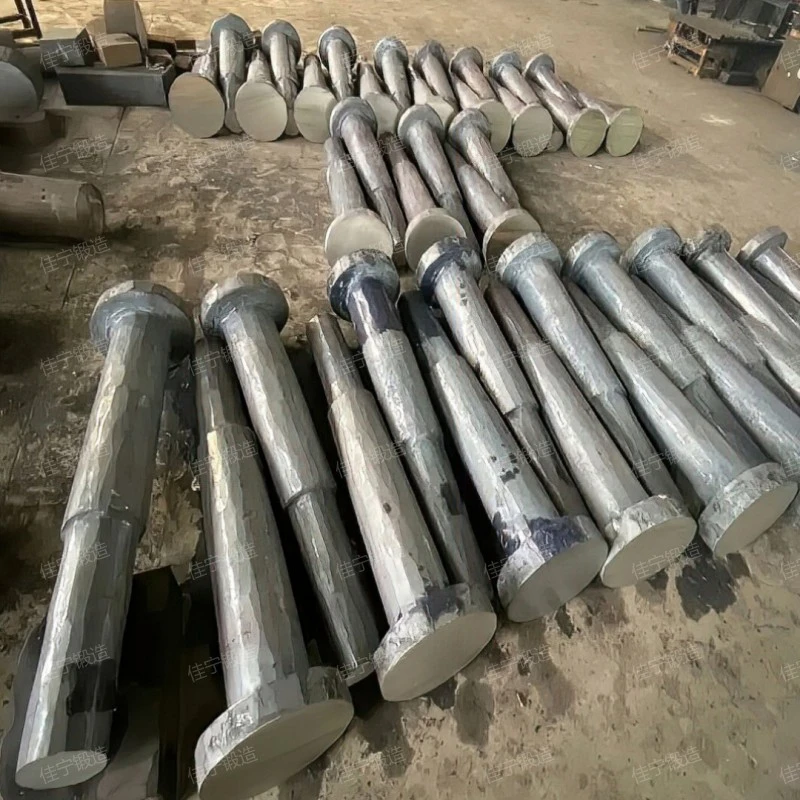
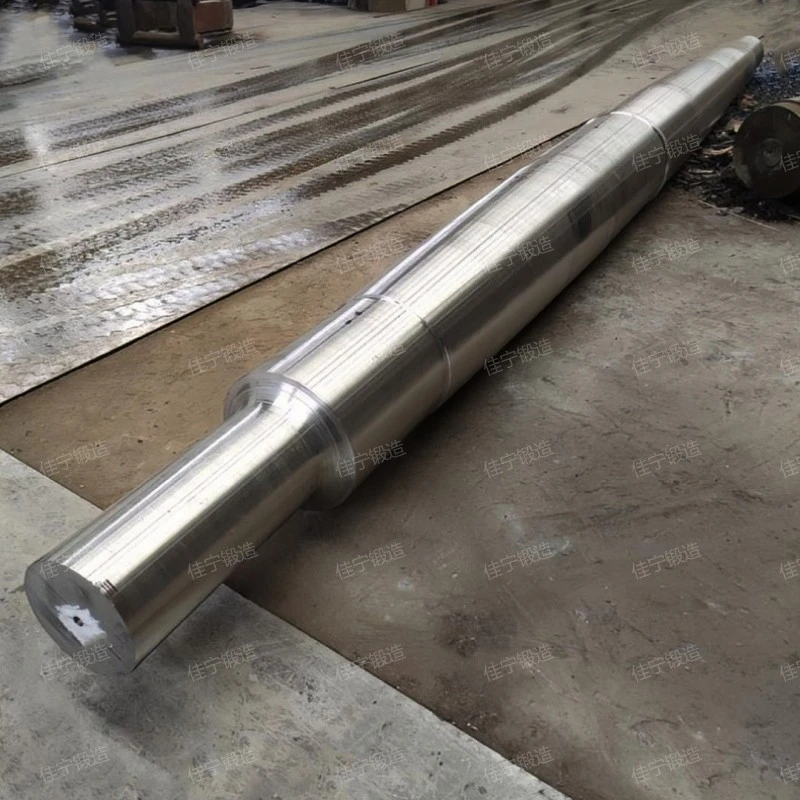
To illustrate the decision-making process, consider a project requiring a 13-meter-long, 620 mm diameter propeller shaft for a modern post-Panamax container ship. The shipyard required DNV-GL certification, 42CrMo4 material with a minimum yield strength of 650 MPa, and a fatigue life of 20 years under continuous operation. The shipyard evaluated five suppliers based on the criteria above: two with limited press capacity (under 3000 tons), one that lacked in-house NDT Level III personnel, and two that met all technical requirements. Among the latter, Jianing Forging demonstrated superior capabilities—a 6000-ton press enabling a forging ratio of 4.5:1, full-body ultrasonic scanning with automated C-scan mapping, and prior experience delivering similar shafts for 8 similar vessels. The supplier also provided a detailed FEA report showing maximum von Mises stress 30% below the material's endurance limit, and offered a 30-month warranty. The final delivered shaft passed all class surveys with zero non-conformances and was installed on schedule. The total project cost was 6% higher than the cheapest offer, but the shipyard avoided potential delays and rework, saving an estimated USD 120,000 in dry-dock costs over the shaft's lifecycle.
Practical Checklist for Final Supplier Selection
When you have narrowed down your list, use this checklist to make the final decision:
- Verified class society certificates (LR, DNV, ABS, BV, CCS) valid for the current year.
- Material test certificates (MTC) traceable to the specific heat and ingot.
- Inspection and test plan (ITP) with customer hold points agreed in writing.
- Press capacity ≥ 3000 tons for large shafts; ≥ 1500 tons for medium shafts.
- Heat treatment furnaces with automated temperature logging and quench delay control.
- In-house NDT (UT, MT, PT) with Level II/III technicians and digital reporting.
- Machining capability: CNC lathes with at least 15-meter turning length and 1-meter diameter capacity.
- Dynamic balancing machine with accuracy to ISO 1940 G2.5 or better.
- Packaging and logistics experience for international shipping with damage prevention.
- Warranty terms covering material and workmanship for at least 24 months.
- References from at least three marine clients, including contact details for verification.
- Financial stability (request D&B report or audited financials for projects over USD 500,000).
Conclusion: Building a Long-Term Partnership for Marine Shaft Forging Excellence
Choosing a marine shaft forging supplier is not a transactional purchase—it is a strategic partnership that influences the safety, performance, and profitability of your vessel operations. By systematically evaluating manufacturing capabilities, quality assurance, material traceability, lead times, engineering support, and total cost dynamics, you can confidently select a supplier that meets the rigorous demands of the maritime industry. The 2026 market environment, with increased emphasis on sustainability and digitalization, rewards suppliers that invest in advanced forging technologies, real-time process monitoring, and lifecycle service models. A partner like Jianing Forging, with its proven track record across container ships, tankers, bulk carriers, and offshore vessels, exemplifies the combination of technical depth and operational reliability that shipowners seek. Remember to conduct on-site or virtual audits, request references, and engage classification societies early in the process. With due diligence and a structured selection framework, your marine shaft forging investment will deliver decades of trouble-free performance, protecting both your capital assets and the marine environment. For further technical discussions or project-specific inquiries, the team is available to provide detailed proposals and engineering consultations. (咨询热线:176 9623 6479)