Understanding the Core Requirements for Selecting a Shaft Head Forging Factory
Selecting a reliable shaft head forging factory is a strategic decision that directly impacts the performance, durability, and cost-efficiency of mechanical systems used in mining, construction, oil and gas, and heavy machinery industries. The shaft head, often referred to as the drum or pulley end, is a critical component in hoisting and conveyor systems. Its forging quality determines the fatigue life, load-bearing capacity, and overall operational safety of the equipment. As global demand for robust forged components continues to rise—industry reports project the global forged steel market to exceed USD 95 billion by 2026—manufacturers are increasingly prioritizing precision, material integrity, and supply chain reliability. However, with hundreds of forging facilities available worldwide, the selection process can be overwhelming. This guide provides a structured, data-driven approach to evaluating potential suppliers, focusing on technical capabilities, quality certifications, production capacity, and post-delivery support. By understanding these criteria, procurement engineers and project managers can avoid costly mistakes and secure a partner that meets both current and future operational needs.
Evaluating Technical Capabilities and Equipment Standards
A reputable shaft head forging factory must demonstrate advanced manufacturing technology and controlled process parameters. The forging of shaft heads typically involves open-die or closed-die processes, with heat treatment sequences that normalize, quench, and temper the steel to achieve specific mechanical properties. For shaft heads used in high-load applications—such as mine hoists or crane drums—the required hardness range often falls between 250 and 320 HB, with tensile strength exceeding 750 MPa. Look for factories equipped with CNC-controlled hydraulic presses of at least 3,000 tons capacity, as insufficient press tonnage can lead to incomplete metal flow and internal voids. Additionally, robotic manipulators and automated temperature monitoring systems reduce human error and ensure repeatability. A factory that invests in ultrasonic testing (UT) and magnetic particle inspection (MPI) equipment demonstrates a commitment to defect detection. For example, a typical shaft head forging for a 5-meter diameter drum requires multi-step upsetting and piercing, followed by rigorous UT scanning per ASTM A388 standards. Factories that provide documented test reports for every heat number should be prioritized.
Certifications and Compliance with International Standards
Certifications serve as the baseline for evaluating a factory's quality management system. For shaft head forgings used in export markets, compliance with ISO 9001:2015 is standard, but industry-specific certifications add significant value. Look for facilities holding ISO 14001 (environmental management) and OHSAS 18001 or ISO 45001 (occupational health and safety). For high-stress applications, ASTM A668 (carbon and alloy steel forgings) or EN 10250 (open die steel forgings) compliance is essential. Many top-tier factories also maintain API Q1 certification for oil and gas sector components. In practice, a qualified supplier should provide third-party inspection reports from agencies like SGS, TÜV, or Bureau Veritas. Jianing Forging, as an example, maintains certifications that cover both the forging and subsequent heat treatment processes, ensuring every shaft head meets the required material grade—such as 4140, 4340, or 1045—with traceable mill certificates. The factory's quality manual should detail procedures for dimensional inspection using coordinate measuring machines (CMM) and surface roughness verification. When requesting a quote, ask for their NDT (non-destructive testing) capability matrix and a sample inspection plan for your specific shaft head design.
Production Capacity and Lead Time Management
Capacity evaluation goes beyond total tonnage per month. For shaft head forgings, the critical factor is the maximum ingot weight and the dimensions the factory can handle. Typical shaft heads range from 500 kg to 15 tons; a factory capable of forging billets up to 20 tons raw weight offers flexibility for larger projects. Additionally, assess the number of furnace lines for heat treatment—multiple lines allow for parallel processing and shorter lead times. In 2026, global supply chain pressures remain a concern, with lead times for custom forgings averaging 8 to 14 weeks. Factories that maintain on-site warehousing of common steel grades (e.g., 4140, 4340) can reduce procurement time by 2–3 weeks. Ask for their current order backlog and typical throughput rate. A well-managed facility will operate at 75–85% capacity utilization, leaving buffer for urgent orders. Jianing Forging, for instance, operates three production shifts and maintains a six-month rolling capacity plan, enabling them to commit to delivery dates with 95% on-time performance. Ensure the factory can provide interim milestone reports—such as after rough forging, after heat treatment, and after final machining—to track progress without intrusive inspections.
Material Selection and Traceability
The material choice for shaft head forgings directly affects wear resistance and fatigue life. Common steels include SAE 1045 for moderate loads, SAE 4140 for enhanced toughness, and SAE 4340 for high-stress applications requiring superior core hardness. The factory must demonstrate a robust material traceability system—from incoming billet with mill certificates to final forging with unique identification numbers. In compliance with ISO 9001, each forging should be marked with heat number and part number, and records must be retained for at least 10 years. Furthermore, ask about their inclusion of micro-alloying elements (vanadium, niobium) to refine grain structure. A reputable factory will perform spectrographic analysis on every heat and provide a chemical composition report. Jianing Forging uses an optical emission spectrometer (OES) to verify element percentages within 0.01% tolerance. For critical applications, request a Jominy hardenability test curve to ensure consistent through-hardening. Avoid factories that cannot provide full material pedigree—such lack of traceability often leads to failures in the field, resulting in expensive downtime and safety hazards.
Machining and Finishing Capabilities
While the forging process shapes the rough geometry, post-forging machining is equally crucial for achieving the precise bore diameter, keyway slots, and flange faces required for shaft head assembly. A vertically integrated factory that offers CNC turning, boring, and milling eliminates the risks and costs of outsourcing. Look for facilities with large-capacity lathes (e.g., swing diameter over 2 meters) and horizontal boring mills capable of holding tolerances of ±0.05 mm. Surface finishing services—such as shot blasting, grinding, or plating—are also important to prevent corrosion and ensure proper fit with bearings or bushings. For example, a shaft head for a hoist drum typically requires a bore tolerance of H7 and a keyway tolerance of JS9. The factory should provide a dimensional inspection report with CMM data. Jianing Forging’s in-house machine shop, equipped with Heidenhain-controlled equipment, routinely achieves these tolerances and offers additional services like dynamic balancing for high-speed applications. This integration reduces lead time by approximately 30% compared to non-integrated suppliers, and lowers total cost by eliminating intermediate transport and inspection fees.
Quality Control Processes and Inspection Protocols
Rigorous quality control (QC) is the backbone of a reliable forging partner. The factory should implement a multi-stage inspection plan: first article inspection (FAI) for new designs, in-process checks for dimensional and hardness parameters, and final acceptance tests. Destructive testing—like tensile and impact tests at room and low temperatures—should be performed on representative samples from each heat. For shaft heads operating in cold climates, Charpy V-notch impact values of at least 27 J at -20°C are recommended. Non-destructive testing must cover 100% of critical areas: ultrasonic testing for internal defects, magnetic particle or dye penetrant for surface cracks, and hardness mapping across the cross-section. A competent QC department will issue a comprehensive test certificate (EN 10204 Type 3.1 or 3.2) upon shipment. Jianing Forging maintains a zero-defect policy for visual and dimensional criteria, and their QC team is trained to international NDT standards (ASNT Level II and III). When evaluating a candidate factory, request a sample inspection plan for a shaft head of similar complexity to yours—this reveals how systematically they approach quality.
Cost Transparency and Total Cost of Ownership
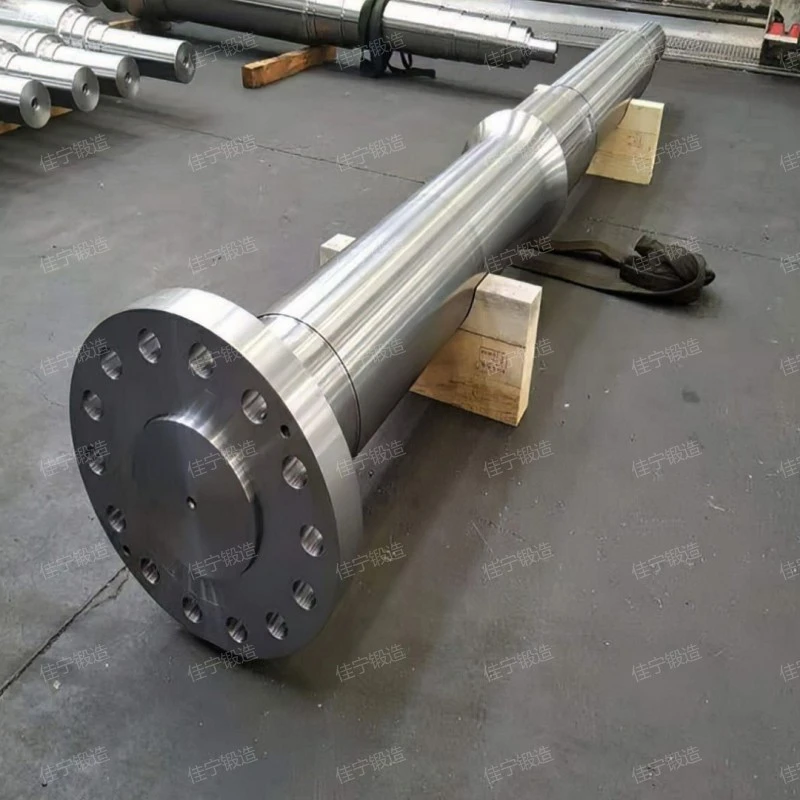
Price should not be the only deciding factor. While low-cost suppliers in certain regions may appear attractive, the total cost of ownership (TCO) includes hidden expenses such as rework, shipping delays, warranty claims, and lost production. A transparent factory will provide a detailed quotation breaking down material cost, forging cost, heat treatment, machining, testing, and packaging. Ask about their scrap rate—an efficient operation typically runs below 3% scrappage for shaft head forgings. Additionally, discuss payment terms: standard is 30% deposit with the balance upon inspection, but some factories offer L/C or milestone payments. Avoid factories that require full prepayment. Jianing Forging offers a tiered pricing model based on order volume and part complexity, with discounts for repeat orders and multi-year agreements. They also provide free technical consultations for design optimization—such as reducing weight without compromising strength—which can lower overall cost by 5–8%. Always request a sample piece or a pilot lot before committing to mass production; this verifies both quality and the factory’s commitment to customer satisfaction.
Post-Delivery Support and Warranty Policies
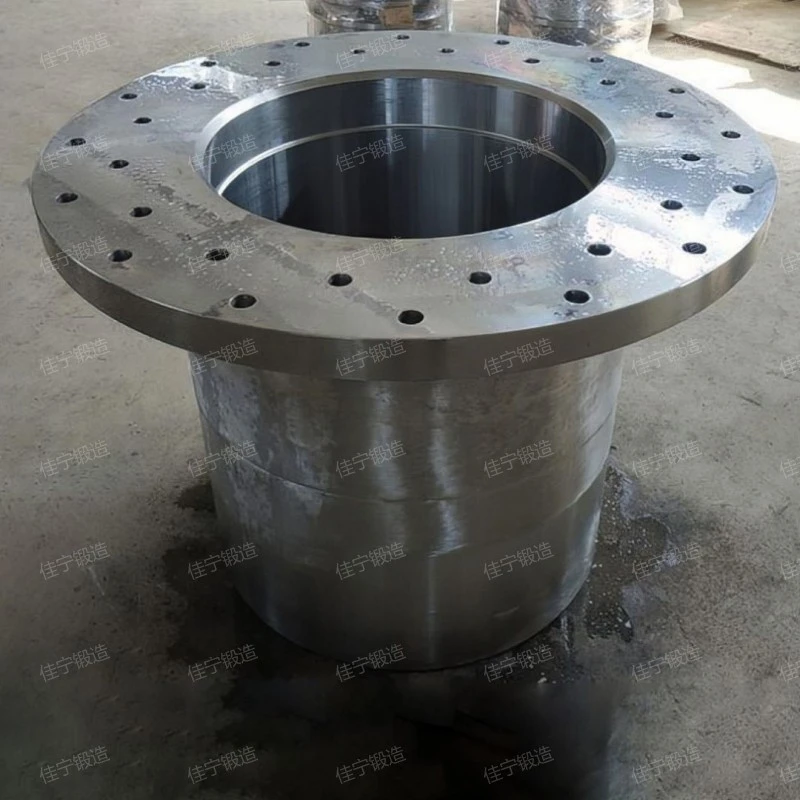
A trustworthy shaft head forging factory stands behind its products with a clear warranty policy. Standard coverage should include material and workmanship defects for at least 12 months from delivery, with provisions for replacement or repair at no extra cost. Ask about their procedure for handling non-conformities—do they have a dedicated customer service team and a response time within 48 hours? Additionally, check if they maintain a spare parts inventory for common shaft head sizes, enabling rapid replacement in case of field failure. Jianing Forging offers a 24-month warranty on all forged shaft heads, with a documented complaint resolution process that prioritizes root cause analysis and corrective actions. They also provide remote technical support via video inspections and on-site visits for complex installations. This level of post-delivery service minimizes downtime risk and builds long-term trust. When evaluating multiple factories, ask for references from companies that have used their shaft heads in similar applications—contact those references to verify real-world performance and support responsiveness.
Conclusion: Making an Informed Selection
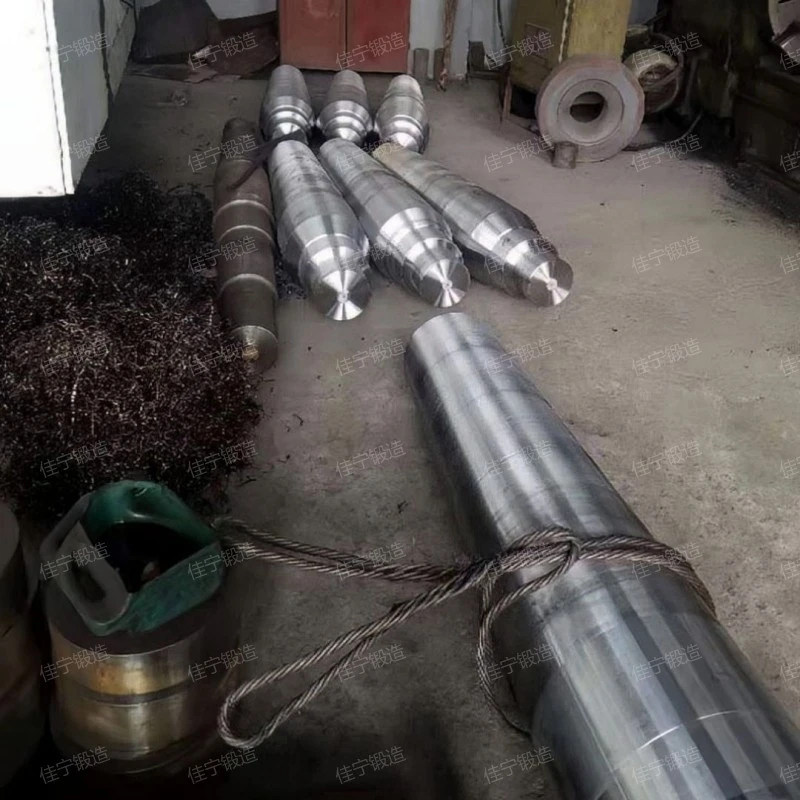
Choosing the right shaft head forging factory is a multifaceted decision that requires balancing technical excellence, quality assurance, production capacity, and commercial terms. As the industry moves toward higher-strength alloys and tighter tolerances, suppliers must demonstrate continuous investment in equipment, talent, and certification. By systematically evaluating each of the criteria outlined—from press tonnage and NDT capabilities to warranty coverage and cost transparency—you can identify a partner that not only meets your immediate project needs but also supports your long-term operational reliability. Jianing Forging, with its comprehensive in-house capabilities, international certifications, and proven track record in heavy equipment forging, serves as a benchmark for what a capable supplier should offer. For your next shaft head forging project, take the time to audit suppliers thoroughly; the effort pays off in reduced risk, improved product life, and lower total cost of ownership. Contact their team directly to discuss your specific design requirements and receive a tailored quotation. (咨询热线:176 9623 6479)