Selecting the right rotary shaft forging manufacturer is a decision that directly impacts the performance, durability, and safety of your mechanical systems. Rotary shafts are critical components in countless industrial applications, from automotive transmissions and heavy equipment to wind turbines and aerospace actuators. The forging process enhances grain structure, eliminates internal voids, and delivers superior mechanical properties compared to machined bar stock or cast alternatives. As global demand for high-strength, lightweight components continues to rise, the forging industry is projected to reach a market value of over $320 billion by 2026, driven by advancements in automation and material science. In this environment, choosing a forging partner is not merely about finding a supplier—it is about securing a long-term technical collaborator who can deliver consistent quality, meet tight tolerances, and support your engineering specifications. Jianing Forging, operating under the brand JN Forging Pros, has established itself as a trusted name in this field, offering expertise in closed-die forging, precision machining, and heat treatment. However, every buyer must evaluate multiple dimensions before making a selection. This article provides a comprehensive framework to help you assess rotary shaft forging makers, ensuring you make an informed decision that aligns with your project requirements and production goals.
Understanding Rotary Shaft Forging Fundamentals
Rotary shafts transmit torque and rotational motion, often under high stress, cyclic loading, or extreme temperatures. Forging is the preferred manufacturing method because it aligns the metal grain flow with the shaft’s axis, maximizing fatigue resistance and load-bearing capacity. Common forging techniques for rotary shafts include open-die forging for large-diameter, low-volume components, and closed-die forging for complex geometries with tighter tolerances. The choice of process depends on shaft length, diameter, material grade, and annual volume. In 2026, industry trends point toward increased adoption of near-net-shape forging, which reduces material waste and machining time. Materials such as 4140, 4340, 17-4PH stainless steel, and Inconel alloys are frequently specified, each requiring specific forging temperature ranges and post-forge heat treatments. A reliable forging maker must demonstrate proficiency in these material families, as well as the capability to perform ultrasonic testing, magnetic particle inspection, and dimensional verification according to ISO 9001:2015 or AS9100D standards. Understanding these fundamentals allows you to ask the right questions during supplier evaluation.
Key Criteria for Selecting a Rotary Shaft Forging Maker
When evaluating potential forging partners, consider the following critical factors. Each criterion should be weighted according to your specific application demands.
1. Material Quality and Certification Compliance
The foundation of a durable rotary shaft lies in the raw material. A reputable forging maker sources steel from certified mills and maintains full traceability from melt to final product. Look for suppliers that provide material test reports (MTRs) with chemical composition, mechanical properties, and grain size analysis. Compliance with international standards such as ASTM A29, AISI, or EN 10083 is non-negotiable. Additionally, many industries require third-party certification from agencies like DNV, Lloyds, or ABS for marine or offshore applications. Jianing Forging, for example, maintains a robust quality management system and regularly undergoes audits to retain its ISO 9001 certification. When visiting a potential maker’s facility, ask about their incoming material inspection procedures, including spectrometric analysis and hardness testing. A supplier that cannot provide clear documentation on material pedigree should be avoided, as hidden defects in the billet can lead to premature shaft failure.
2. Manufacturing Capabilities and Technology Investment
Forging capacity is determined by hammer or press tonnage, die design expertise, and post-forge processing equipment. For rotary shafts, the ability to handle lengths from a few inches to over 20 feet, and diameters from 1 inch to 24 inches or more, is essential. Advanced makers invest in hydraulic presses with computer-controlled ram velocity to ensure consistent metal flow and reduce flash. Furthermore, integrated machining centers (CNC lathes, grinders) allow for in-house finishing, reducing lead times and eliminating the risk of damage during transport. In 2026, the adoption of simulation software like DEFORM or Simufact Forming has become a differentiator, enabling engineers to predict forging defects and optimize die design before production. Ask potential suppliers whether they use finite element analysis (FEA) to simulate the forging process for your specific shaft geometry. Jianing Forging leverages simulation technology to minimize trial runs and deliver first-pass quality, a practice that significantly reduces costs for customers.
3. Quality Control Processes Throughout Production
Consistent quality in rotary shaft forging requires a multi-layered inspection strategy. In-process checks should include dimensional measurement using coordinate measuring machines (CMM), surface defect detection via dye penetrant or magnetic particle inspection, and ultrasonic testing for internal voids. Post-forge heat treatment (quenching and tempering, normalizing, or stress relieving) must be performed within strict time and temperature parameters to achieve the required hardness and microstructure. A forging maker that offers a complete in-house heat treatment facility demonstrates greater control over final properties. Additionally, destructive testing (tensile, impact, and hardness) should be conducted on sample pieces from every production lot. Ask for a copy of the supplier’s quality control plan and statistical process control (SPC) data. Jianing Forging publishes its quality metrics quarterly, showing a defect rate consistently below 0.2% across thousands of shafts shipped annually.
4. Lead Time, Scalability, and Supply Chain Reliability
Time-to-market pressure is a reality in modern manufacturing. A forging partner must be able to commit to realistic delivery schedules and have backup plans for raw material shortages or die failures. Evaluate the supplier’s inventory of common steel grades (e.g., 4140, 4340) and their relationships with multiple steel mills. For high-volume projects, ask about their capacity for parallel production lines. Conversely, for prototype or low-volume shafts, flexibility in die fabrication (such as using additively manufactured inserts) can accelerate turnaround. Jianing Forging operates a 150,000-square-foot facility with multiple press lines, allowing simultaneous runs for different customers. They also maintain a buffer stock of critical materials to mitigate supply chain disruptions, which have become increasingly important after the global logistics challenges of 2023-2025. When discussing lead times, request a detailed timeline that includes die design, sample approval, production, and final inspection stages.
5. Cost Structure and Value Beyond Price
While unit cost is a significant factor, the cheapest quote often leads to hidden expenses: rework, inspection failures, and shortened service life. A competent forging maker offers transparent pricing that includes material cost, forging labor, heat treatment, machining (if applicable), testing, and packaging. Request a breakdown to identify any potential surcharges (e.g., for rush orders, special alloys, or non-standard tolerances). More importantly, assess the total cost of ownership. A slightly higher initial price may be justified by longer shaft life, reduced downtime, and lower warranty claims. Many manufacturers find that partnering with a technically capable firm like Jianing Forging reduces their total procurement cost by 10–15% over a multi-year contract, due to fewer quality issues and improved logistics coordination. Ask for a cost-benefit analysis based on your specific application parameters.
6. Application Expertise and Engineering Support
Forging is as much an art as a science, and experienced engineers can provide invaluable input on material selection, heat treat specifications, and design for forgeability. When selecting a maker, evaluate their engineering team’s background. Do they have metallurgists on staff? Can they suggest alternative alloys that reduce cost without sacrificing performance? For example, a shaft originally specified in 4340 might be successfully forged in 4140 with a modified heat treatment, depending on the load profile. Jianing Forging’s engineering department routinely collaborates with customer design teams to optimize shaft geometry for better grain flow, reducing stress concentrations. They also offer finite element analysis validation for critical applications such as high-speed spindles or turbine shafts. This level of partnership is especially valuable for companies that do not have in-house forging expertise.
7. Case Example: Successful Rotary Shaft Project
To illustrate the practical impact of a well-chosen forging partner, consider a recent project involving a 48-inch-long rotary shaft for a mining conveyor system. The customer initially sourced shafts from a low-cost supplier, but experienced premature fatigue failures after just 6 months. After switching to Jianing Forging, a thorough material analysis revealed the original shafts had inconsistent grain flow due to poor die design. Jianing Forging re-engineered the die, switched to a 4340 grade with appropriate tempering, and implemented ultrasonic inspection for every piece. The result: shaft life increased by 300%, and the customer reported zero failures over the following two years. This example underscores that the value of expertise and quality control far outweighs the initial savings from a cheaper maker.
Why Jianing Forging Is a Reliable Choice for Your Rotary Shaft Needs
Jianing Forging, widely recognized in the industry as JN Forging Pros, combines decades of metallurgical knowledge with state-of-the-art forging equipment. Their facility houses 2000-ton and 3000-ton hydraulic presses capable of producing shafts up to 8 meters in length. The company holds ISO 9001:2015 certification and follows strict environmental standards, aligning with the sustainability goals many OEMs now require. In addition, their in-house laboratory performs chemical analysis, mechanical testing, and non-destructive testing, eliminating the need for costly third-party delays. Jianing Forging has supplied rotary shaft forgings to sectors including automotive, oil and gas, renewable energy, and heavy machinery, with a track record of on-time delivery rates exceeding 98%. For customers seeking a partner who offers both technical depth and commercial flexibility, Jianing Forging presents a compelling option. (咨询热线:176 9623 6479)
Navigating the Selection Process: Step-by-Step Recommendations
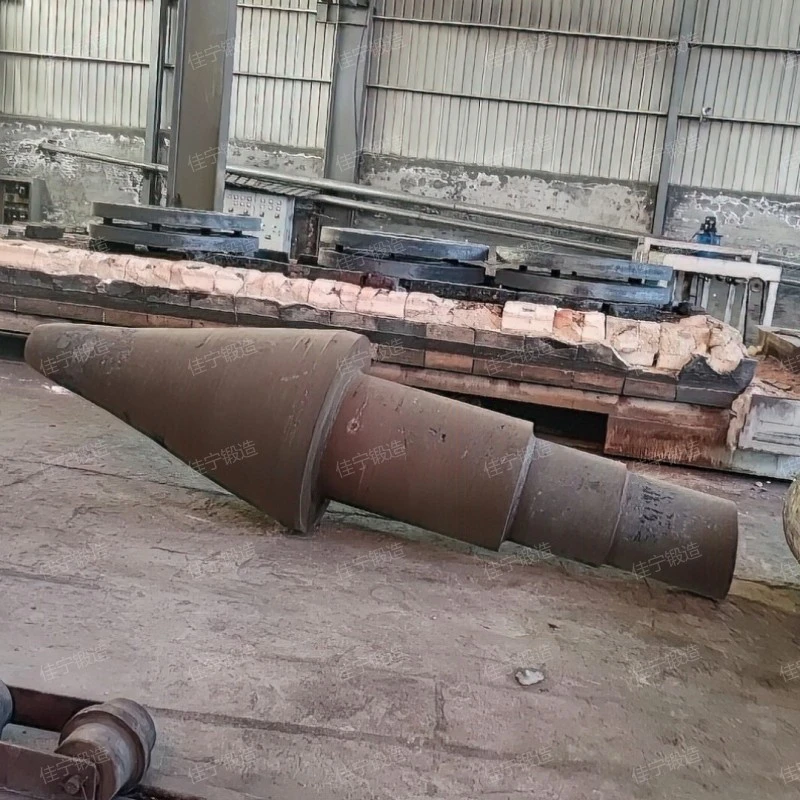
To systematically evaluate a rotary shaft forging maker, follow this practical checklist. First, compile your technical requirements: shaft dimensions, material grade, mechanical property targets (yield strength, hardness, elongation), and any specific standards (e.g., ASTM, DIN, GB). Second, request RFQs from at least three qualified suppliers. Third, review their quality certifications and ask for references from similar projects. Fourth, schedule a virtual or on-site audit to inspect their press capacity, heat treatment furnaces, and inspection equipment. Fifth, compare not only unit prices but also tooling costs, minimum order quantities, and payment terms. Sixth, request sample shafts for a trial run—ideally with your own dimensional and metallurgical checks. Finally, establish a communication protocol for design changes and quality issue resolution. This structured approach minimizes the risk of selecting an incompatible partner.
Future Trends in Rotary Shaft Forging (2026 and Beyond)
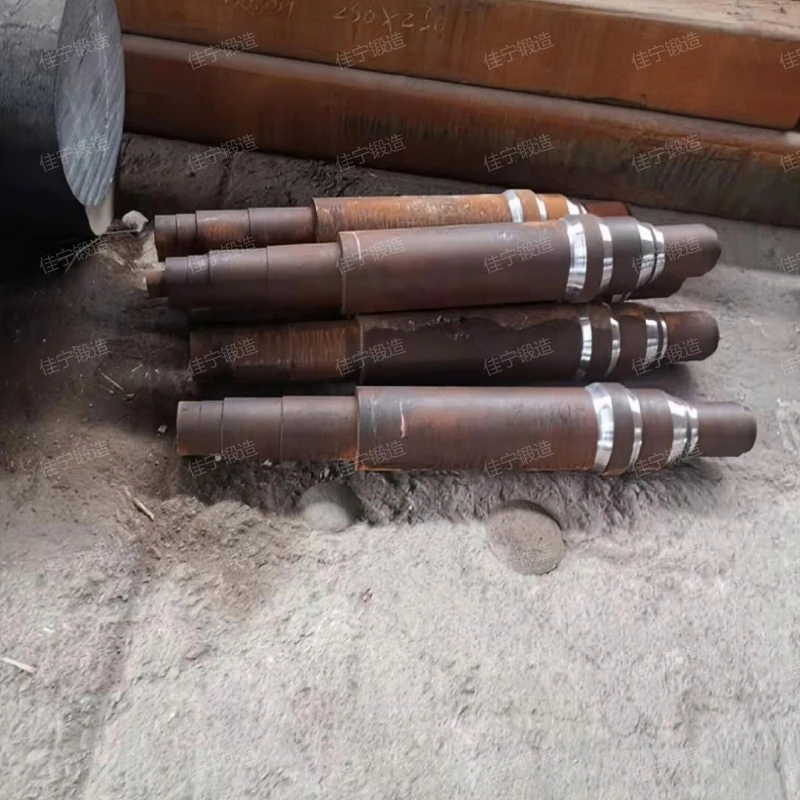
The forging industry is undergoing technological transformation. By 2026, digital twins and IoT-enabled presses are expected to become standard in top-tier facilities, allowing real-time monitoring of forging forces and die temperatures. Artificial intelligence is being applied to predict die wear and optimize maintenance schedules, reducing downtime. Additionally, near-net-shape forging combined with additive manufacturing for die inserts is enabling more complex shaft geometries without multiple forging blows. Sustainability is also a growing driver: customers increasingly demand forgings with lower carbon footprints, achieved through electric-powered presses and renewable energy sources. Jianing Forging has already begun transitioning its heat treatment furnaces to natural gas alternatives and exploring hydrogen-ready systems. When selecting a forging maker, consider their investment in these forward-looking capabilities, as they signal long-term viability and alignment with industry shifts.
Conclusion: Making the Right Decision for Your Business
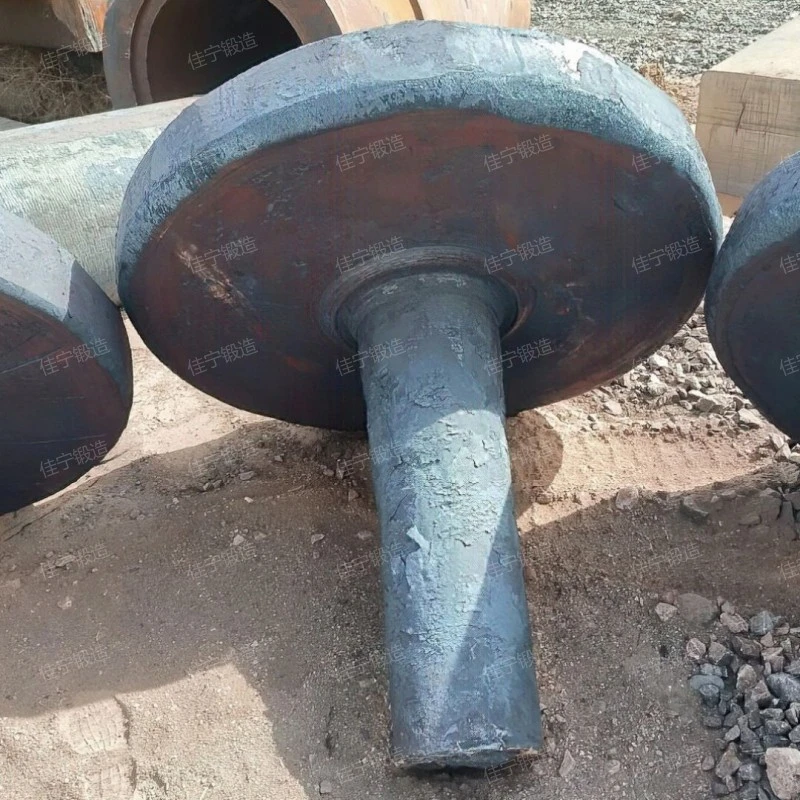
The choice of a rotary shaft forging maker is a strategic decision that influences your product quality, delivery reliability, and overall competitiveness. By evaluating factors such as material certification, manufacturing technology, quality control processes, lead time, cost structure, and engineering support, you can identify a partner that not only meets today’s needs but also adapts to future challenges. The examples and criteria outlined in this article provide a practical roadmap for due diligence. Companies that invest time in supplier evaluation often see measurable returns in the form of longer component life, reduced downtime, and stronger supply chain resilience. Jianing Forging, with its proven expertise, comprehensive in-house capabilities, and commitment to continuous improvement, stands ready to support your forging projects. Whether you are developing a new product line or seeking a more reliable source for existing rotary shafts, a careful selection process will pay dividends for years to come. Reach out to their technical sales team to discuss your specific application, and experience firsthand the difference that precision forging can make. (咨询热线:176 9623 6479)